Maps guide
Meccha Chameleon Maps: Reading Layouts and Hiding Spots
Learn how to read Meccha Chameleon maps, evaluate hiding spots, and build Seeker search routes without relying on outdated map screenshots.
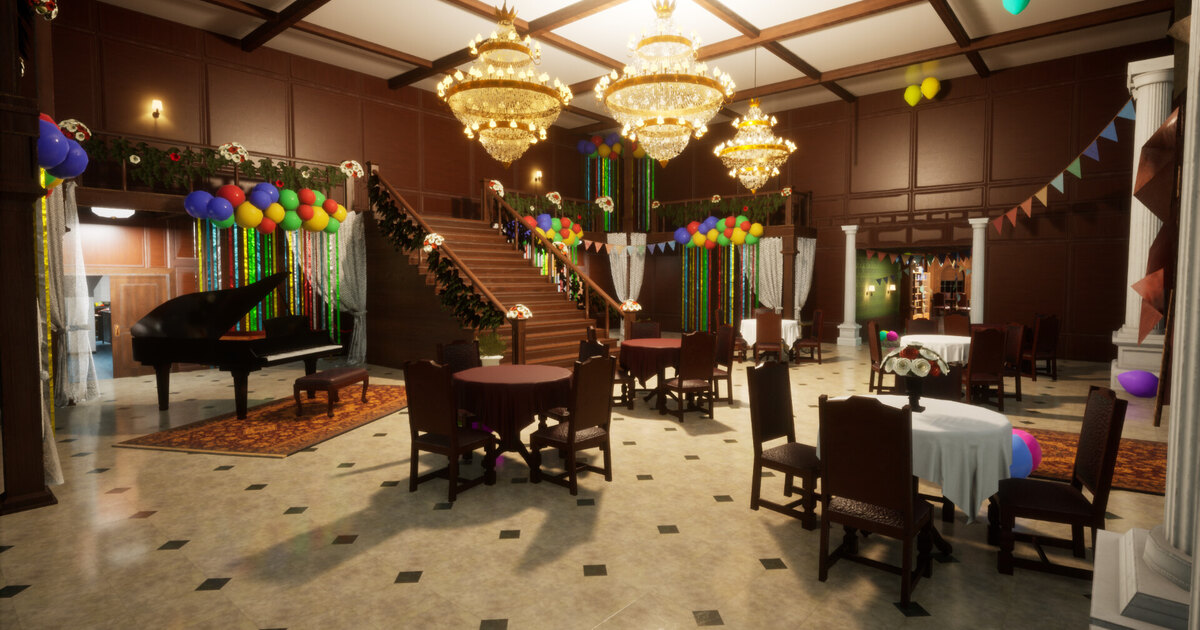
Read maps by zones
Specific map layouts can change as updates and custom maps arrive. A more transferable skill is learning how to divide any stage into zones that can be cleared or defended.
- Edges and corners are high-value because they reduce angles.
- Cluttered rooms hide silhouettes but also attract Seeker attention.
- Open spaces are risky for Hiders but faster for Seekers to clear.
- Repeated patterns are useful for camouflage and for spotting one wrong shape.
Evaluate a hiding spot
A good hiding spot answers three questions: can the body outline be broken, can the color be matched, and can you stay still without needing to adjust?
| Question | Good sign | Bad sign |
|---|---|---|
| Outline | Broken by props, corners, or shadows | Clean body shape against a flat wall |
| Color | Nearby surfaces share a dominant tone | Bright or glossy mismatch |
| Escape pressure | Seeker route has multiple distractions | One obvious approach angle |
Build a Seeker route
A Seeker route should reduce uncertainty. Start where Hiders are most likely to survive, then move toward easier areas.
- Clear corners and edge clutter.
- Check prop clusters and repeated textures.
- Sweep middle lanes and open floors.
- Revisit only the highest-risk zones in the final seconds.
Frequently asked questions
Why not publish exact map screenshots here?
Use the current in-game map and Steam Workshop pages for exact layouts. This guide focuses on route planning, outline checks, and hiding-spot judgment that still apply when a map changes.
Do custom maps change the strategy?
The details change, but the same questions apply: outline, color match, movement risk, and Seeker route coverage.